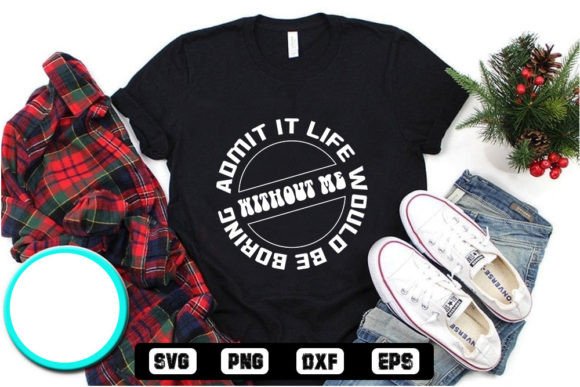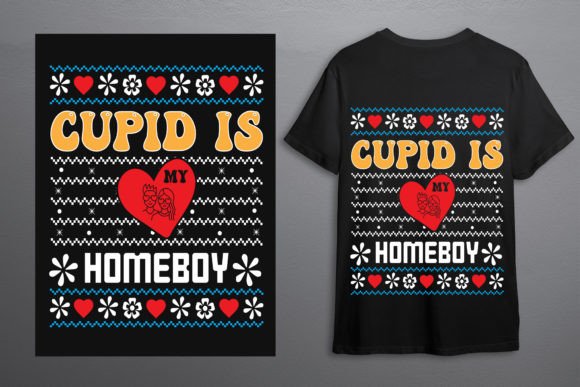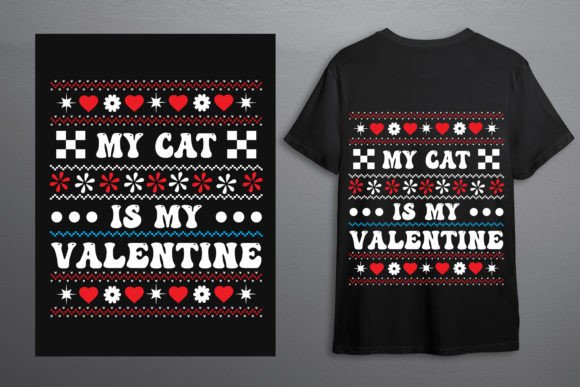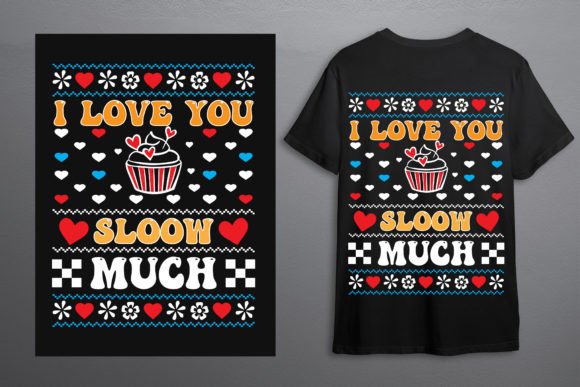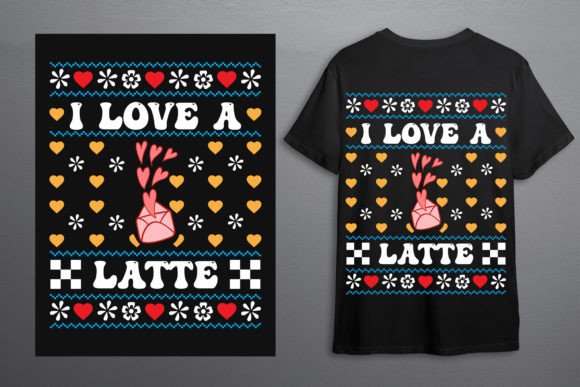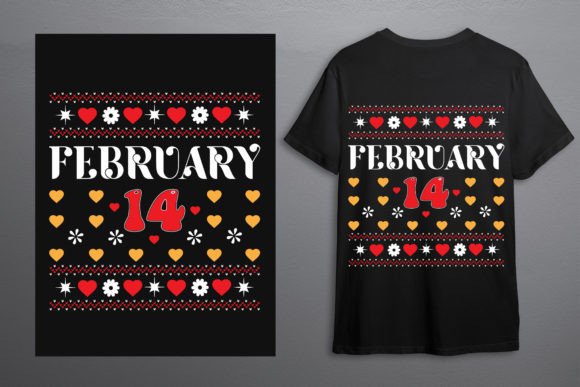
February 14–Valentine SVG: Graphics for T-Shirt Designs & Editorial Use
As a blog designer who’s built over 200 content-rich websites—and shipped more than 3,000 digital guides, lead magnets, and newsletter assets—I opened February 14–Valentine SVG expecting seasonal charm. What I found was something sharper: a versatile, production-ready graphic design asset that bridges lifestyle warmth with editorial precision.
A First Impression That Builds Reader Trust
The moment you unzip the package—You’ll get one SVG, one high-res PNG, one EPS, and one DXF file, all pre-optimized and cross-compatible—you notice its clean line work, balanced negative space, and intentional visual rhythm. It doesn’t scream “cute” or “corporate.” Instead, it lands in that rare middle ground: warmly romantic but structurally confident. That duality makes it ideal for bloggers covering relationships, self-care, small business branding, or seasonal content marketing—without veering into cliché.
For editorial design, this matters deeply. Readers subconsciously assess credibility within 0.8 seconds of landing on a page. A polished, intentional graphic like February 14–Valentine SVG signals care—not just in aesthetics, but in message delivery. It supports niches where tone is everything: online educators launching a February challenge, affiliate marketers promoting date-night kits, or creative entrepreneurs building printable design bundles.
Where This Graphic Design Asset Earns Its Place
In real publishing workflows, February 14–Valentine SVG shines where clarity, scalability, and emotional resonance intersect:
- Blog featured images — Especially when layered over soft gradients or muted textures, it anchors headlines without competing with text.
- Pinterest pins — The SVG-to-PNG conversion holds crisp detail at 1000×1500px, boosting click-through potential in crowded feeds.
- Digital guides & lead magnets — Used as a header or section divider, it adds thematic cohesion to downloadable resources like “7-Day Love Letter Challenge” worksheets.
- Newsletter banners — Scales flawlessly across MailerLite, ConvertKit, and Beehiiv templates—no pixelation, no layout shifts.
- Canva templates — As a vector (SVG/EPS), it resizes infinitely for social media graphics, eBook covers, or media kit headers.
- T-Shirt Designs & printables — The DXF file integrates cleanly into Cricut Design Space; the PNG works for Printful mockups and product listings.
This isn’t decorative fluff—it’s functional visual hierarchy. When placed beside serif body copy or paired with a bold display font, it creates breathing room and focus. That’s how you turn passive scrollers into engaged readers.
How It Strengthens Your Content Marketing Engine
Strong visuals don’t just look good—they perform. February 14–Valentine SVG improves content performance in measurable ways:
- Better first impressions — Replaces generic stock icons with intentional, ownable imagery.
- Clearer visual hierarchy — Guides the eye naturally from headline → graphic → CTA.
- Stronger brand identity — Consistent use across blog thumbnails, social previews, and email headers builds recognition—even without a logo.
- Higher trust signals — Professional-grade files suggest your site is curated, not cobbled together.
- Faster category recognition — Readers instantly associate the motif with Valentine’s-themed content—boosting SEO-aligned user intent alignment.
For affiliate marketers, that means higher conversion rates on gift roundups. For online educators, it means smoother onboarding for paid courses launching in February. For small business owners, it means cohesive visuals across website headers, Instagram carousels, and printable design assets—all from one digital download.
Where to Use It Thoughtfully (and Where to Pause)
This graphic design asset excels in hero sections, article thumbnails, Pinterest pins, blog graphics, and content upgrades—but context is key.
Use it carefully when:
- Your site relies on ultra-minimalist web design (e.g., monochrome typography-only layouts).
- You’re designing for serious professional niches—think legal compliance blogs or clinical psychology newsletters—where playful motifs may dilute authority.
- It’s placed over low-contrast backgrounds (e.g., light pink on peach) without a subtle drop shadow or stroke adjustment.
- You’re using it in tiny mobile thumbnails (<120px wide) without testing legibility of fine details.
It’s not a universal replacement for every Valentine’s visual—it’s a strategic tool. Deploy it where warmth, intention, and shareability matter most.
Publisher Notes You Can’t Skip
Before embedding February 14–Valentine SVG into live content, run these checks:
- Preview it inside your actual blog layout—not just in isolation—to test spacing, bleed, and proximity to headlines.
- Test contrast: overlay it on your site’s primary background color and check readability of any accompanying text.
- Try it beside serif, sans serif, script, and handwritten fonts—some pairings reveal unexpected harmony (or clash).
- Convert the SVG to WebP for web use—keep PNG only for print or social exports.
- Verify commercial license terms: confirm it permits use on monetized sites, affiliate pages, and digital products like Canva templates or printable design bundles.
- Check black-and-white rendering—essential for accessibility and grayscale printing.
Because this is more than a T-Shirt Designs asset—it’s part of your editorial infrastructure. Treat it like typography or whitespace: intentional, tested, and aligned with your audience’s expectations.
Bottom line? February 14–Valentine SVG delivers what seasoned publishers need most: flexibility without friction, charm without clutter, and a foundation for content that looks—and performs—like it was made by someone who knows their craft.