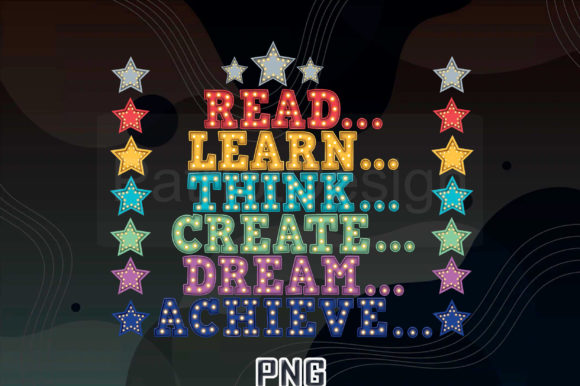
Teacher Read Learn Think Create PNG
As someone who’s stitched thousands of designs for Etsy shops, boutique clients, and custom apparel lines, I opened Teacher Read Learn Think Create PNG expecting warmth—and got it instantly. This isn’t a flashy, trend-chasing graphic. It’s quiet confidence in visual form: clean typography, balanced spacing, and a gentle rhythm across the four verbs. The transparent background and 300 dpi resolution mean it scales cleanly—but before you drop it into your embroidery software or print it on a tote, let’s talk about how it *actually* behaves when translated into thread, fabric, and real-world use.
A Tote Bag That Starts Conversations
Last week, I prepped a small-batch run of canvas tote bags for a local teacher appreciation pop-up. I chose Teacher Read Learn Think Create PNG as the centerpiece—centered on the front panel, sized to fit a 5×7 hoop comfortably. The design’s horizontal flow and generous letter spacing made digitizing straightforward. No tight serifs or overlapping elements to fight with. What stood out most was how legible it stayed at 3.5 inches wide—even on textured canvas. Customers didn’t just glance; they paused, smiled, and said things like, “That’s exactly how my daughter’s kindergarten teacher talks.” That’s the power of restraint: this design doesn’t shout. It resonates.
Where It Shines (and Where It Asks for Care)
Teacher Read Learn Think Create PNG excels in projects where clarity, sincerity, and subtle craftsmanship matter:
- Embroidered sweatshirts and crewnecks — Its even weight and open letterforms hold up beautifully on mid-weight fleece and French terry, especially with matte poly or cotton thread.
- Baby items and nursery decor — Soft, non-aggressive, and inherently nurturing. Works well on organic cotton burp cloths, onesies (with proper stabilizer), and linen pillow covers.
- Embroidered patches and aprons — Clean edges translate reliably into satin-stitched borders. No fragile corners or hairline gaps that fray under wear.
- Holiday and end-of-year gifts — Paired with a simple monogram or school-color thread, it feels personal without being cutesy. Teachers appreciate that distinction.
But here’s where attention matters: Teacher Read Learn Think Create PNG isn’t built for ultra-dense fill stitching or micro-hooped applications. Avoid using it below 2.75 inches wide on stretchy fabrics like jersey—letter spacing tightens visually and can cause thread nesting. On dark fabrics, test contrast early: light gray or ecru thread reads softer than stark white, which sometimes overwhelms the message’s calm tone. And while the PNG itself has no stitch data, remember—this is a graphics file, not a ready-to-embroider machine embroidery design. You’ll need to digitize thoughtfully, especially around the “i” dots and crossbars, to avoid tiny floating elements.
What It Adds to Your Finished Product
This isn’t just text on fabric—it’s a quiet value signal. When customers see Teacher Read Learn Think Create PNG stitched cleanly onto a linen tea towel or an organic cotton tote, they register intentionality. That affects perceived quality, giftability, and trust. A handmade product carrying this phrase feels considered—not generic. For Etsy sellers and small shop owners, that nuance translates directly into repeat buyers and word-of-mouth referrals. It also pairs well with cohesive branding: imagine it on a matching set of embroidered notebooks, mugs (via sublimation), and patch-backed denim jackets—all anchored by the same thoughtful visual language.
Practical Notes Every Embroidery Designer Should Check
Before stitching your first piece, treat Teacher Read Learn Think Create PNG like any high-intent design asset:
- Test on scrap fabric first — Especially if using textured, napped, or loosely woven materials. Watch how the letterforms sit over bumps and slubs.
- Review stitch density in your digitized version — Overly dense fills mute the airy feel; too sparse loses definition. Aim for 8–10% underlay and moderate top stitch coverage.
- Confirm hoop size and placement — Its width makes it ideal for center-chest or upper-back placements on adult apparel, but less suited for curved surfaces like cap fronts unless significantly simplified.
- Inspect small details at actual stitch size — Zoom in on your embroidery software preview. Does the “R” in “Read” retain its curve? Does “Think” stay distinct from “Create” at smaller scales?
- Mock it up in black and white — Helps assess contrast and hierarchy without color distraction. Also try reversing it on dark fabric digitally before cutting thread.
- Match stabilizer to fabric + design scale — Tear-away works for stable cottons; cut-away or mesh is safer for knits or lightweight linens.
- Verify licensing — Since this is listed as a Graphics file for sublimation, printing, and designing, confirm whether commercial use of finished embroidered products is permitted—or if you need extended rights for resale.
Final Thought: Design With Purpose, Not Just Pixels
Teacher Read Learn Think Create PNG doesn’t try to be everything. It’s not a bold logo, a playful icon, or a complex scene. It’s a focused, human-centered phrase—delivered with visual empathy. That makes it unusually versatile for craft businesses building authentic connections: teachers, parents, librarians, mentors, lifelong learners. Used well, it elevates a simple tote bag into a meaningful keepsake. Used hastily—without testing thread choice, stabilizer, or scale—it risks looking flat or forgettable. So give it the same care you’d give a handwritten note: space it generously, choose thread like you’re choosing words, and let the message breathe. That’s how illustrations become heirlooms.